
Escribe, Nestor Díaz.
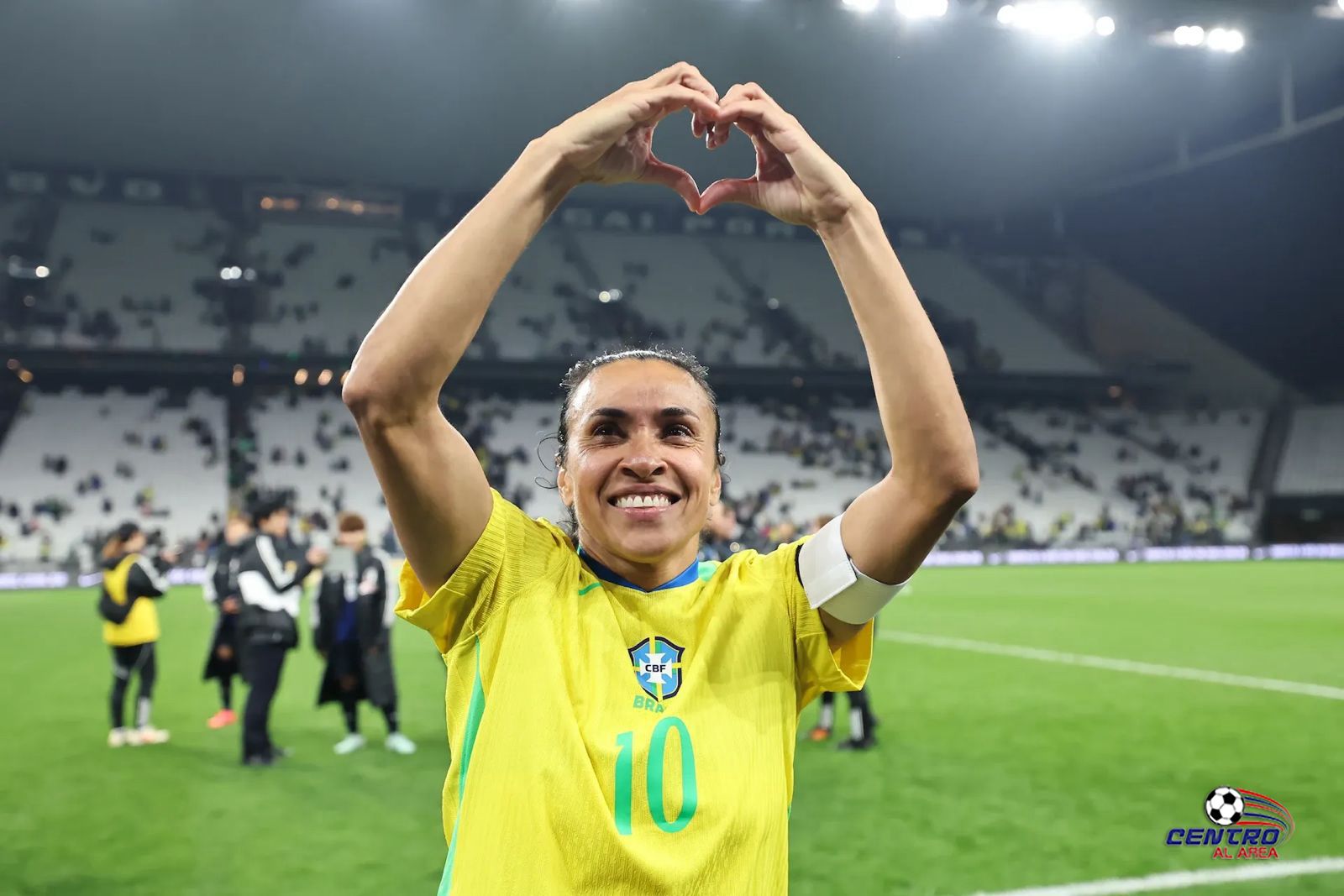
Solemos comentar en el día a día o en las jornadas deportivas que los máximos goleadores de los mundiales son el alemán Miroslav Klose y “el fenómeno” Ronaldo. Sin embargo, la real goleadora del fútbol en la historia es una mujer. Sí, así como lo lees. Se trata de la brasileña Marta Vieira Da Silva, con 17 dianas en los 20 partidos que disputó en cinco mundiales (2003, 2007, 2011, 2015 y 2019). Con una habilidad innata con la redonda, regate, cambio de ritmo, lucidez para habilitar o ser colocada frente a la portería y una fantasía desbordante al definir. Marta, baña tres décadas al fútbol femenino de popularidad, de gloria, para consolidar a tal deporte como inclusivo en todos sus frentes. Canta al mundo moderno que el fútbol no es exclusividad de los hombres, sino que también ellas pueden patear. Y patear, como atletas consagradas, con técnica, marcar goles mejor incluso que algunos cojos que se pasean con un exorbitante salario.
“Sin ánimo de polemizar”, como dice el periodista Martín Fernández, Marta es la mejor futbolista femenina de todos los tiempos. Ha obtenido el premio a Mejor Jugadora del mundo de la FIFA en seis ocasiones (2006, 2007, 2008, 2009, 2010 y 2018) ¡Inalcanzable! Además, es la máxima goleadora histórica de la selección brasileña que, en 122 oportunidades, hizo que la pelota bese la red. El mejor gol del fútbol femenino tendrá como galardón: ¡Premio Marta! Aquella niña que nació bendecida para hacer vibrar a la hinchada en los estadios, descubierta por la entrenadora brasileña Helena Pacheco cuando contaba 14 veranos. Aterriza en la carrera profesional en Vasco da Gama en el 2000, luego de jugar como juvenil en Centro Sportivo Alagoano. Para posteriormente calar en Los Angeles Sol, Santos FC, Gold Pride, Orlando Pride (club actual), entre sus principales equipos que tienen el privilegio de contar: ¡Aquí jugó Marta! Llamada por el mismo Edson Arantes como “Pelé de Falda». Es la primera y única mujer en plasmar la marca de sus pies en la acera de la fama del Estadio Maracaná. ¿Qué más pueden pedir las mujeres? Si ella les “abrió las puertas al gramado”.
Un gramado donde aún existe el machismo y relegan a las damas a un “segundo plano”. Aunque sea mínima esta afirmación, los hay en algunos lugares o personas de limitado “panorama”. “Cuando me veían jugando al fútbol con los niños, mis hermanos mayores venían, corrían detrás de mí para llevarme a casa y yo salía corriendo. La mayoría de las veces no conseguían alcanzarme porque era más rápida», declaró Marta con una sonrisa entre los dientes a la BBC Mundo. Su familia y entorno creían que el fútbol no era para mujeres y no estaban a gusto con los comentarios de los vecinos ante una niña que empezaba a romper los paradigmas de la sociedad. «Querían que jugara a las muñecas o que hiciera algo para volver al mundo femenino». Prosiguió. En otra oportunidad, al acariciar el Premio Especial de la FIFA, The Best FIFA Football Awards 2023, enmarcó su honorable carrera: “…Espero que jueguen al fútbol y que la estirpe familiar continúe, ese es mi sueño. Tengo el sueño y el deseo de tener un hijo y agarrar una silla y sentarme en la banda para verlos jugar, entrenar y llevarlos a los entrenamientos. Ese es mi sueño y espero que se haga realidad».
Así es, Marta, la “reina”, objetiva, luchadora, soñadora a pesar de que lo haya ganado todo. Si bien es cierto que el fútbol femenino evoluciona más lento que el masculino y los presupuestos son extremadamente diferentes, las mujeres van en una dichosa dirección a conquistar por completo las masas de exquisitos aficionados. Sus hermanos José Valdir y Angela manifiestan que están “avergonzados” por lo que le hicieron a Marta. “Éramos unos machistas cavernícolas, hoy estamos llenos de orgullo”. Marta comenta que les ha perdonado. En el lustre del 2010, cuando la ONU la nombró embajadora de Buena Voluntad, un cargo que en ese momento solo contaban ocho personas en el mundo y que lo ejerce con breves cambios hasta la luna de hoy. (La única con dos funciones: trabajar para disminuir la pobreza y por la autonomía femenina). Ella consideró que ese premio fue uno de los más importantes en su vida porque usa su historia como ejemplo para ayudar a otras personas a pensar en un futuro mejor. Es decir, impregna un mensaje a los jóvenes: que los premios materiales no sirven; más bien los reconocimientos de este tipo, que enlazan la solidaridad hacia los desprotegidos, son los primordiales. Como dice una canción: ser humano es lo que quiero ser… ¡Centro al área y tú tienes el balón!
Marta, “Pelé in a skirt.”
We often comment in everyday life or during sporting events that the top scorers in the World Cup are Germany’s Miroslav Klose and “the phenomenon” Ronaldo. However, the real top scorer in soccer history is a woman. Yes, you read that right. She is Brazilian Marta Vieira Da Silva, with 17 goals in the 20 games she played in five World Cups (2003, 2007, 2011, 2015, and 2019). With an innate ability with the ball, dribbling, change of pace, lucidity to enable or be placed in front of the goal, and an overflowing imagination when finishing. Marta has brought three decades of popularity and glory to women’s soccer, consolidating the sport as inclusive on all fronts. She sings to the modern world that soccer is not exclusive to men, but that women can also kick. And kick, like accomplished athletes, with technique, scoring goals even better than some lame players who walk around with exorbitant salaries.
“Without wishing to cause controversy,” as journalist Martín Fernández says, Marta is the best female soccer player of all time. She has won the FIFA World Player of the Year award six times (2006, 2007, 2008, 2009, 2010, and 2018). Unbeatable! She is also the all-time leading scorer for the Brazilian national team, having found the back of the net 122 times. The best goal in women’s soccer will be awarded the Marta Prize! This girl, who was born with a gift for thrilling fans in stadiums, was discovered by Brazilian coach Helena Pacheco when she was 14 years old. She began her professional career at Vasco da Gama in 2000, after playing as a youth at Centro Sportivo Alagoano. She later played for Los Angeles Sol, Santos FC, Gold Pride, and Orlando Pride (her current club), among other major teams that have the privilege of saying: Marta played here! Edson Arantes himself called her “Pelé in a skirt.” She is the first and only woman to have her footprints immortalized on the sidewalk of fame at Maracanã Stadium. What more could women ask for? She “opened the doors to the pitch” for them.
A field where machismo still exists and women are relegated to the “background.” Although this statement may seem minimal, there are some places or people with limited “perspective.” «When they saw me playing soccer with the boys, my older brothers would come running after me to take me home, and I would run away. Most of the time they couldn’t catch me because I was faster,“ Marta told BBC Mundo with a smile. Her family and friends believed that soccer was not for women and were uncomfortable with the neighbors’ comments about a girl who was beginning to break society’s paradigms. ”They wanted me to play with dolls or do something to return to the feminine world.» She continued. On another occasion, as she caressed the FIFA Special Award, The Best FIFA Football Awards 2023, she summed up her honorable career: «…I hope they play soccer and that the family tradition continues, that’s my dream. I have the dream and desire to have a child and grab a chair and sit on the sidelines to watch them play, train, and take them to practice. That is my dream, and I hope it comes true.»
That’s right, Marta, the “queen,” objective, a fighter, a dreamer, even though she has won everything. While it is true that women’s soccer is evolving more slowly than men’s and the budgets are extremely different, women are happily moving in the direction of completely conquering the masses of exquisite fans. Her siblings José Valdir and Angela say they are “ashamed” of what they did to Marta. “We were caveman sexists, today we are full of pride.” Marta says she has forgiven them. In 2010, when the UN named her Goodwill Ambassador, a position that at that time only eight people in the world held and which she continues to hold with few changes to this day. (She is the only one with two roles: working to reduce poverty and for women’s autonomy). She considered this award to be one of the most important in her life because she uses her story as an example to help others think about a better future. In other words, she imparts a message to young people: that material rewards are useless; rather, it is recognition of this kind, which links solidarity with the vulnerable, that is paramount. As the song says: being human is what I want to be… Pass it to the center and you have the ball!