
Escribe, Nestor Díaz.
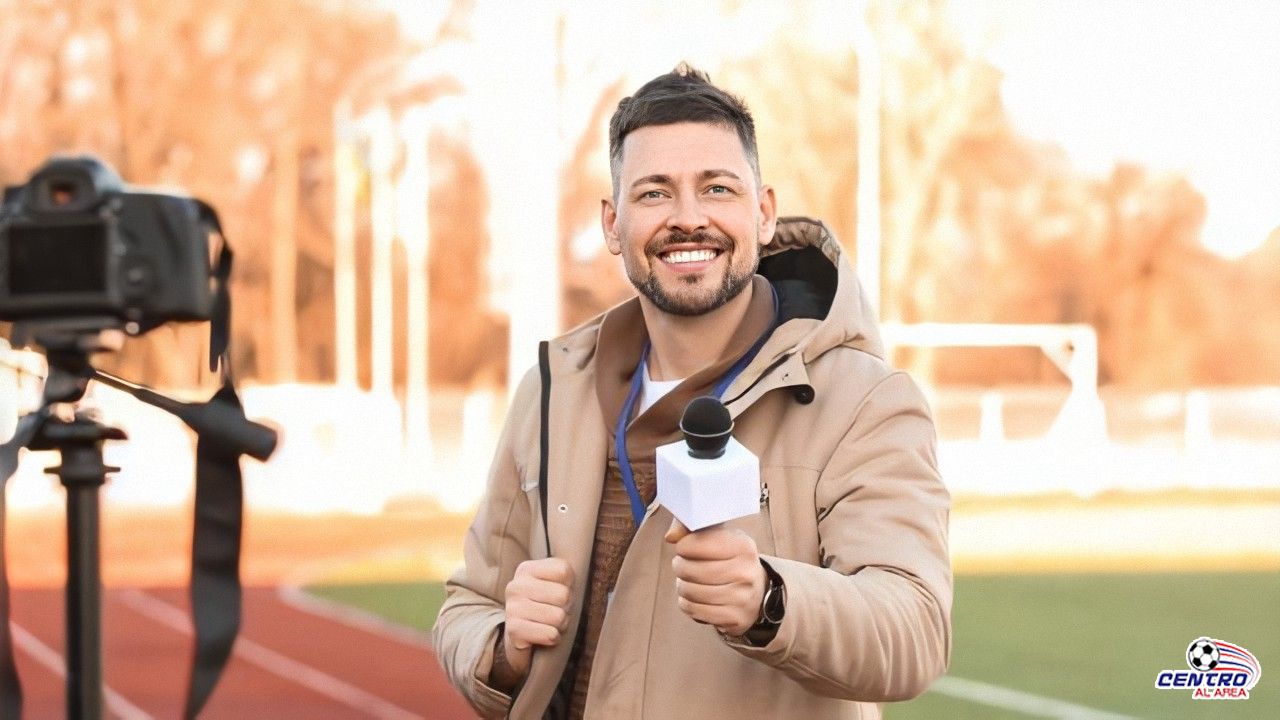
A estas alturas del año, cuando las ligas de fútbol sudamericanas languidecen y las europeas revientan en pétalos de sus primeras fechas, es necesario centrar el balón al área de los periodistas deportivos. Los que levantan la información desde el lugar de los hechos, para informar con veracidad, opinar con objetividad y entretener de manera pulcra. Con tales características que añoramos en nuestra época, ¡son pocos los profesionales que pueden levantar la mano y decir: «Soy uno de ellos»! Dos décadas atrás ya se vislumbraba en la televisión un giro hacia el show mediático y barato, hacia la comparsa como si se tratara de un circo de tres soles. Ahora, con la avalancha de las redes sociales, aparecen seudoperiodistas en tertulias sin un objetivo y menos aún sin una producción de calidad. Con tal de cobijar más vistas o likes, mienten en los titulares como: Bombazo en el Barça, Lo que no se vio, Vinicius no va más en el Madrid, El próximo mundial será en…, Este es el mejor gol de la Champions (y se muestra una promoción de menú con delivery incluido).
El periodismo en general ha perdido credibilidad, su razón de ser, lo cual sucede en todas las áreas. Sin embargo, el deportivo va camino a convertirse en farandulero y eso, si es que ya no está en ese nivel. Los stremmers que proliferan en cada click, se dedican a “parlar” de qué hizo tal deportista cuando llegó tarde al entrenamiento o cuando no lo llamaron para su cumpleaños; se zambullen en tertulias sin brindar información que valga la pena escucharlos y menos sacar alguna “pepa” del día. Eso acontece lamentablemente en todo el mundo, por la accesibilidad al internet y la libertad de prensa; pero no significa que abusemos de ello. Muchos no ejercen el periodismo como tal y cuentan con pantalla por todos los rincones, con solo grabarse a manera de selfie y vomitar sus efímeros “comentarios”.
En el otro lado de la cancha, se ubican los que se creen “sabelotodo”; disparan argumentos al principio creíbles contra algún actor de la noche. Pero cuando les toca ir a entrevistarlo, titubean frente al de terno o short, pulen las preguntas y giran de su lado a tal punto de pasarle la franela. En una columna de Jorge Barraza (uno de los mejores en redacción deportiva) zanjó otra falencia de los profesionales en el campo. En un encuentro importante, la televisión, radio o redes sociales dedican cerca de una hora para “analizar la previa”, desmenuzan las formaciones de ambos equipos, cómo podrían atacar o defender, si juegan con línea de cinco o tres, si el doble pivote sería importante para la visita. Tanto rollo de los “Directores Técnicos” para que al final, al minuto de iniciado el match, se anote el primer gol y cambie lo planeado y rompa todo análisis previo. Los nuevos tiempos nos exigen mantenernos preparados, pero no somos expertos en tácticas; suficiente un brochazo de lo que puede acontecer; esto es fútbol u otro deporte, y los que inclinan la balanza son los jugadores, no los “debates”, menos las estadísticas.
Una arista en debate es por qué el periodista deportivo se enfoca mayoritariamente en el fútbol. Y en esto me incluyo. Se le da cobertura porque este deporte atrae las masas a los estadios; los patrocinios son jugosos por la visibilidad de marcas que se propala en los medios. Es un modelo de negocio redondo, desde una productora, club, federación para su organización hasta para los que expenden “canchita” en la tarde de un encuentro. Tal perspectiva por parte del periodista debería cambiar en algunos países y realizar cobertura completa de otros deportes tan importantes como el llamado deporte rey. El nombre de la disciplina no importa, sea basquetbol, natación, atletismo, remo u otra; lo sustancial es dar visibilidad, análisis, para de ese modo involucrar a toda la sociedad en las pantallas. La visión del periodista debería ser completa; así puede arribar a una nueva oportunidad, en un deporte, por ejemplo, de mucho potencial de crecimiento. Eso sí, sin show barato o farandulero.
Como lector, debes tener tus nombres de los respetados, connotados periodistas deportivos, que por suerte los hay aún. ¡Un brindis por ellos! ¡Centro al área y tú tienes el balón!
CENTER TO THE AREA
Write, Nestor Diaz.
Journalism or cheap showmanship?
At this point in the year, when South American soccer leagues are languishing and European leagues are bursting into bloom, it is necessary to center the ball in the sports journalists’ area. Those who gather information from the scene of the action, to report truthfully, give objective opinions, and entertain in a tasteful manner. With such characteristics that we long for in our time, there are few professionals who can raise their hands and say, “I am one of them”! Two decades ago, television was already showing signs of a shift towards cheap media spectacle, towards a sideshow as if it were a three-ring circus. Now, with the avalanche of social media, pseudo-journalists appear in talk shows without a purpose and even less quality production. In order to get more views or likes, they lie in headlines such as: “Bombazo at Barça,” “What you didn’t see,” “Vinicius is out at Madrid,” “The next World Cup will be in…,” “This is the best goal in the Champions League” (and a menu promotion with delivery included is shown).
Journalism in general has lost credibility, its raison d’être, which is happening in all areas. However, sports journalism is on its way to becoming entertainment journalism, if it isn’t already at that level. The streamers that proliferate with every click are dedicated to “talking” about what a certain athlete did when he was late for training or when he wasn’t called on his birthday; they dive into talk shows without providing information that is worth listening to, let alone getting any “juicy tidbits” out of the day. Unfortunately, this happens all over the world, due to internet accessibility and freedom of the press, but that does not mean we should abuse it. Many do not practice journalism as such and have screens everywhere, simply recording themselves in selfie mode and spewing their ephemeral “comments.”
On the other side of the court are those who think they know it all; they fire off arguments that seem credible at first against some player of the night. But when it’s their turn to interview him, they hesitate in front of the man in a suit or shorts, polish their questions, and turn to his side to such an extent that they end up sucking up to him. In a column by Jorge Barraza (one of the best sports writers), he addressed another shortcoming of professionals in the field. In an important match, television, radio, and social media devote about an hour to “analyzing the preview,” breaking down the formations of both teams, how they might attack or defend, whether they play with a line of five or three, whether the double pivot would be important for the visitors. All this fuss by the “technical directors” so that, in the end, a minute into the match, the first goal is scored, changing the plan and breaking all previous analysis. The new times demand that we stay prepared, but we are not experts in tactics; a rough idea of what might happen is enough. This is soccer or another sport, and it is the players who tip the balance, not the “debates,” let alone the statistics.
One point of debate is why sports journalists focus mainly on soccer. And I include myself in this. It is covered because this sport attracts crowds to stadiums; sponsorships are lucrative due to the visibility of brands that is spread through the media. It is a perfect business model, from the production company, club, and federation that organize it, to those who sell snacks on the afternoon of a match. This perspective on the part of journalists should change in some countries, and they should provide comprehensive coverage of other sports that are just as important as the so-called king of sports. The name of the discipline does not matter, whether it is basketball, swimming, athletics, rowing, or another; what is important is to provide visibility and analysis in order to engage the whole of society on the screens. The journalist’s vision should be comprehensive; this way, they can arrive at a new opportunity, for example, in a sport with great growth potential. Of course, without cheap or sensationalist spectacle.
As a reader, you should have your list of respected, renowned sports journalists, who fortunately still exist. Here’s to them! Center the ball and you’ve got it!