
Escribe, Nestor Díaz.
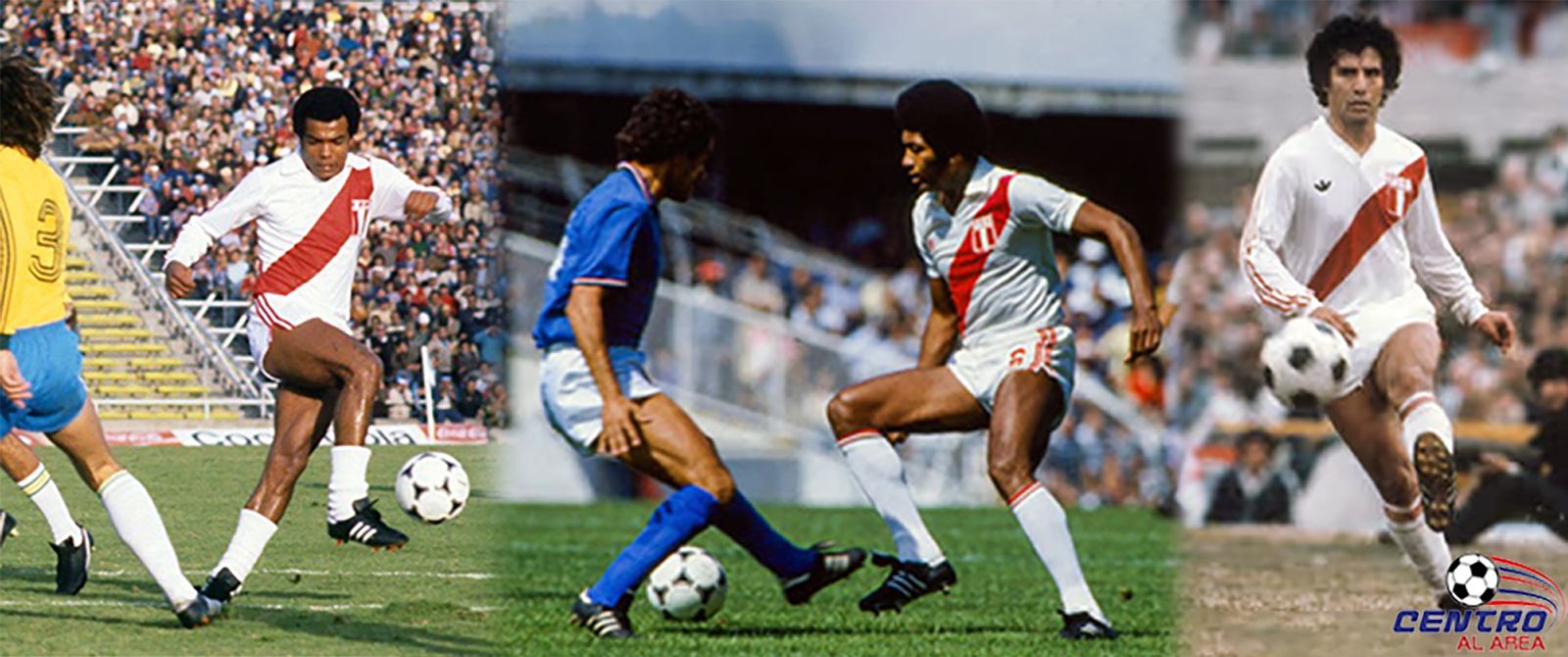
—¡Jamás se ha visto en el Perú un volante tan poderoso! ¡De los de ahora ni hablemos, amigo! Alcanza a decir un señor de barba blanca, que expende cerveza a las afueras del coloso de la Victoria. Se refiere al tridente: Cueto, Velázquez y Cubillas. Los cuales desplegaron magia, garra, pasión, al mismo tiempo que movían la redonda en el gramado con sutiles pases “como con la mano”, inventores de una huella imborrable con marca peruana en la mitad de la cancha. A medida que el match empieza a calentar, los tres se juntan y conversan; para los rivales, esa “reunión” es un presagio de lo que va a ocurrir: un baile elegante por parte de César Cueto, movimientos, enganches, tiros libres exquisitos de Teófilo Cubillas, pierna al límite del reglamento y liderazgo de José Velázquez. Aunque los tres contaban con tales cualidades combinadas, incluyendo el gol. El partido es resuelto con solo su presencia, al defender la rojiblanca sin privilegios, sin las condiciones con las que cuentan ahora nuestros futbolistas (incluidos dirigentes) que fueron de “turismo” en las últimas fechas de las eliminatorias. Ellos no necesitaban dádivas, vuelos en primera clase, hoteles de lujo, chimpunes personalizados o estilistas para salir bonitos en las fotos. Solo les era necesario observar el escudo en su pecho y luchar hasta el pitazo final. El aplauso y estima de la afición es su mejor e invalorable recompensa.
En el otoño de 1978, Marcos Calderón no se equivocó en llevar al Mundial de Argentina al tridente de oro de la selección rojiblanca. El partido de primera fase frente a Escocia es memorable; se despliega la danza con sabor a gloria. Tras el derribe a Juan Carlos Oblitas a unos metros del área, se genera el tiro libre nunca visto en un mundial: El “Nene” ejecuta y golpea la pelota con tres dedos, la cual viaja de afuera hacia dentro, despidiéndose de la frondosa barrera por el lado derecho y se clava cerca al palo, bajando las telarañas. ¡Un golazo! Consagra el 3-1 final para la selección peruana, ante las miradas perplejas de los europeos. El “Nene” convierte 5 dianas en aquel mundial, el “patrón” un gol, el “poeta de la zurda” otro. La revista El Gráfico los alinea dentro del equipo ideal en la fase de grupos. Y, por si fuera poco, el mismo Pelé ya había designado a Cubillas como su sucesor en el mundial del 70. ¿Algo más se podría pedir?
Dentro de otras hazañas, la volante de ensueño conquista la Copa América 1975 y el bicampeonato nacional del 77 y el 78 con el club de sus amores, Alianza Lima; los mismos barren a sus rivales de turno en las eliminatorias rumbo al mundial rioplatense. Es imprescindible, además, conocer sus orígenes en el césped. César Cueto Villa se inicia a los nueve años en su barrio de Diana en el Rímac en 1962, en un equipo nombrado Alejandro Ríos; lo dirige su vecino: Miguel Company. Debuta en el cuadro íntimo a los dieciséis años, en el cual es clave para “aceitar” su zurda y convertirla en leyenda. Teófilo Juan Cubillas Arizaga da sus primeros toques al balón en el Huracán Boys de Puente Piedra, para posteriormente enrolarse en el equipo blanquiazul, donde se consolida como inamovible. José Manuel Velásquez Castillo dio sus primeros pasos en el San Luis de Cañete, para luego ser invitado por el cholo Castillo (formador de menores de Alianza Lima) y proseguir la misma historia que sus colegas. Logros, éxitos, calidad, que se complementan y no caben en estas humildes líneas; ya que esta prodigiosa y letal volante merece más que palabras, si no homenajes, solidaridad, para identificar cada fecha a los que plasmaron nuestra identidad futbolística que, un día no lejano, seguro que germinará nuevamente. Sin importar el color de nuestro equipo preferido.
A nivel de clubes internacionales, César Cueto brilla en Colombia y es un ídolo hasta hoy del pueblo cafetero. En 1981, con el Atlético Nacional de Medellín, gana el título, en el cual se consagra como capitán, conductor y goleador para finalmente ser el mejor jugador del campeonato. Tres años después, triunfa igual con el América de Cali, y se convierte en más que un referente, sino que se mete en los corazones colombianos para toda la vida. José Velázquez juega del mismo modo en Colombia, en el Deportivo Independiente Medellín, donde se encuentra en la cancha con el “poeta”. Su talento para quitar pelotas como en una batalla y contagiar de temperamento a sus compañeros lo “catapultan” como el dueño del camerino. En la temporada 1980-1981 desplaza su técnica en el Toronto Blizzard de Canadá, donde da clases con los dos pies y cuando se tiene que guapear, lo hace sin tapujos.
Por su parte, Teófilo Cubillas aterriza en Suiza en 1973, precisamente en el Basilea. El millonario suizo Ruedi Reisdorf quedó encantado con su estilo de juego y no lo dejaba ir, al máximo que llegan las ofertas del AC Milán, FC Barcelona y Real Madrid. Entonces, en una lluviosa mañana, deciden negociar con el FC Oporto; es el escape triunfal en Europa para el peruano. En Portugal se mantiene tres temporadas en la cúspide de su carrera, marca 66 goles en 110 partidos, levanta la Copa de Portugal de 1976-1977, dos subcampeonatos de liga, uno de copa. Un eterno líder para el fútbol mundial. Los tres, la volante de ensueño, regresan a vestirse de blanquiazules cuando ocurre la tragedia del Fokker en el mar de Ventanilla, a pesar de que ya habían colgado los chimpunes. ¡Centro al área y tú tienes el balón!
CENTER TO THE AREA
Write, Nestor Diaz.
Dream midfielder.
“Peru has never seen such a powerful midfielder! Let’s not even talk about the ones we have now, my friend!” says a white-bearded man who sells beer outside the Victoria stadium. He is referring to the trio: Cueto, Velázquez, and Cubillas. They displayed magic, determination, and passion, while moving the ball around the field with subtle passes “as if with their hands,” leaving an indelible mark on the center of the field. As the match begins to heat up, the three get together and talk; for their opponents, this “meeting” is a harbinger of what is to come: an elegant dance by César Cueto, movements, hooks, exquisite free kicks by Teófilo Cubillas, a leg at the limit of the rules, and leadership by José Velázquez. Although all three had these qualities combined, including scoring goals. The match is decided by their mere presence, defending the red and white without privileges, without the conditions that our players (including managers) now enjoy, who went on a tourist trip in the final stages of the qualifiers. They did not need gifts, first-class flights, luxury hotels, personalized cleats, or stylists to look good in photos. All they needed to do was look at the badge on their chest and fight until the final whistle. The applause and esteem of the fans is their best and most invaluable reward.
In the fall of 1978, Marcos Calderón made the right decision in taking the golden trio of the red and white team to the World Cup in Argentina. The first-round match against Scotland is memorable; the dance unfolds with a taste of glory. After Juan Carlos Oblitas was brought down a few meters from the area, a free kick unlike any ever seen in a World Cup was awarded. El Nene took the kick and struck the ball with three fingers, sending it curving in from the outside, past the wall on the right side and into the net, breaking the cobwebs. A great goal! It sealed the final 3-1 score for the Peruvian team, before the perplexed eyes of the Europeans. “Nene” scored five goals in that World Cup, “El Patrón” scored one, and “El Poeta de la Zurda” scored another. El Gráfico magazine named them to the ideal team in the group stage. And, as if that weren’t enough, Pelé himself had already designated Cubillas as his successor in the 1970 World Cup. What more could you ask for?
Among other achievements, the dream midfielder won the 1975 Copa América and two national championships in 1977 and 1978 with his beloved club, Alianza Lima, which swept aside its rivals in the qualifiers for the World Cup in Argentina. It is also essential to know his origins on the pitch. César Cueto Villa started playing at the age of nine in his neighborhood of Diana in Rímac in 1962, in a team called Alejandro Ríos, managed by his neighbor Miguel Company. He made his debut for the team at the age of sixteen, where he was instrumental in honing his left foot and turning it into a legend. Teófilo Juan Cubillas Arizaga took his first touches of the ball at Huracán Boys in Puente Piedra, before joining the blue and white team, where he established himself as an indispensable player. José Manuel Velásquez Castillo took his first steps at San Luis de Cañete, before being invited by Cholo Castillo (Alianza Lima’s youth coach) to continue the same story as his colleagues. Achievements, successes, and quality that complement each other and cannot be contained in these humble lines, as this prodigious and lethal midfielder deserves more than words, if not tributes and solidarity, to identify each date with those who shaped our soccer identity, which will surely blossom again in the not-too-distant future. Regardless of the color of our favorite club.
At the international club level, César Cueto shines in Colombia and remains an idol of the coffee-growing nation to this day. In 1981, with Atlético Nacional de Medellín, he wins the title, establishing himself as captain, playmaker, and top scorer, ultimately becoming the best player in the championship. Three years later, he achieved the same success with América de Cali, becoming more than just a role model, but also winning the hearts of Colombians for life. José Velázquez played in the same way in Colombia, for Deportivo Independiente Medellín, where he shared the pitch with the “poet.” His talent for winning balls as if in battle and infecting his teammates with his temperament catapulted him to become the leader of the dressing room. In the 1980-1981 season, he took his skills to Toronto Blizzard in Canada, where he taught with both feet and, when he had to show off, he did so openly.
Teófilo Cubillas, meanwhile, landed in Switzerland in 1973, specifically in Basel. Swiss millionaire Ruedi Reisdorf was delighted with his style of play and refused to let him go, despite offers from AC Milan, FC Barcelona, and Real Madrid. Then, on a rainy morning, they decided to negotiate with FC Porto; it was the Peruvian’s triumphant escape to Europe. In Portugal, he remained at the peak of his career for three seasons, scoring 66 goals in 110 games, winning the 1976-1977 Portuguese Cup, two league runner-up titles, and one cup runner-up title. An eternal leader in world soccer. The three, the dream midfield, returned to wear the blue and white when the Fokker tragedy occurred in the sea off Ventanilla, even though they had already hung up their boots. Cross into the box and you have the ball!