
Write, Nestor Díaz.
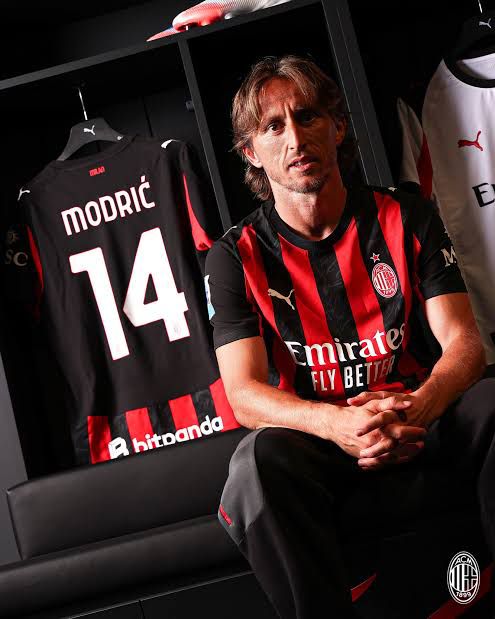
Throughout the history of world football, one element has been inevitable: a garment worn by players on the field so they can be immediately identified by fans, players, and journalists. The jersey identifies a club, a country, a territory, and beats with a heart that cries out for a goal. In the early days of soccer, back in 19th-century England, players wore heavy jerseys, knee-length pants, high, clunky boots, belts, and shin guards over their socks. Later, the need to differentiate each team with stripes was recognized, which led to confusion when the ball was taken away. Arthur Kinnaird, one of the first stars, was not known for his jersey with a number on the back, as Luka Modrić is today, with the number ten or fourteen (his new number at AC Milan); rather, he was known for his long white trousers, which fans wanted to wear. In the transition to 1890, The Football League emphasized that member teams would have to “paint” themselves in different uniforms. This is where the colors we love today come from: that skin, that leather, which we would not change for anything.
The playing field pulsates with identifiable colors, crests on the chest, numbers on the back, made with screen printing technology in the early 20th century. It is the sunrise that radiates passion and appreciation for a club or a homeland that gave birth to the players and fans. Soccer becomes the identity of the masses, distinguished by a color, a logo that every mortal wears on the street, a brand-new piece of fresh “fleece.” Synthetic fabrics arrive to “stay” in the 1970s, offering greater comfort and ease of movement. National teams adopt a color, mostly identical to the flag they defend, and stadiums are filled with banners and signs alluding to the country that accompanies them on their journey. The chemas (as they are called in Costa Rica) underwent a formidable transformation with the vision of entrepreneurs, who decided to produce a shirt with their brand, such as Nike or Adidas. Each one was different for each club or nation, but with an identity that made it a supreme and invaluable business.
The Brazilian team is predominantly yellow and green, the Spanish team is red, Boca Juniors is blue and yellow, and Manchester City is light blue. To name a few examples. In our time, classic plain jerseys are no longer made; they have been replaced by exclusive designs that set the trend in sports fashion. Nike’s investment in the soccer jersey market is considerable, projected at USD 7,992.87 million for this year and expected to grow to USD 12,145.16 million by 2033, according to Global Growth Insights. Barcelona in Spain and Corinthians are the main clubs that wear the brand, in addition to the national teams of Brazil, Portugal, and the Netherlands, without wishing to displace other teams of similar importance. Keep in mind that Adidas is right up there with them. On the other hand, it is common to see “retro” styles from the 70s, 80s, 90s, and 2000s, which drive the global textile industry and can naturally be worn with jeans and sneakers. Who wouldn’t want one of Pele’s, with the number ten and no name on the back? One of Johan Cruyff’s with the number fourteen? Or one of El Pibe Valderrama’s? These two lines of space are for you to choose your favorite.
Advertising on jerseys has become essential to securing income for clubs, which are pleased with the blessed skin that was once a simple garment and now navigates the coffers of sponsors. Real Madrid is one of the entities that receives the most money for its jersey: Adidas, the brand that dresses it, awards 117.6 million euros per year. Emirates, with its logo on the front, pays €70 million per season, and HP pays €70 million to appear on the sleeve.
Its design is perfected every season, with advanced mesh and polyester fabric blends, so that players stay cool and dry throughout the match. These porous, lightweight fabrics facilitate airflow in the shirt and release accumulated heat to prevent the athlete from overheating. Modern manufacturing techniques allow for “seamless seams,” which means reduced friction and improved comfort during movement. In addition, they allow for stretching without tearing. The new “jersey” with number and name on the back, the sports brand’s crest and logo on the front, and logos of partner companies—printed using the DTF (Direct to Film) technique—blends together in a prodigious sporting modernity. Imagine that they used to have ropes and large, cumbersome buttons; now we can caress it and feel the softness, tenderness, and exquisiteness of its fabric. Center the ball and you have it!