
Escribe, Nestor Díaz.
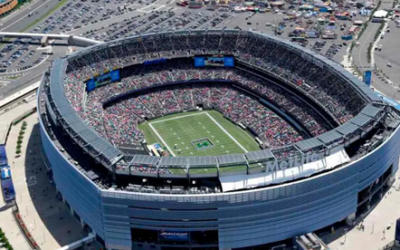
El Mundial de Clubes de la FIFA atrajo las miradas del mundo por un mes que pasó volando, en un verano norteamericano plagado de presentaciones de los futbolistas tipo NBA, como estrellas de otro planeta al momento de salir al campo. Un cambio sistemático de marketing y logística que la FIFA implementó, para diferenciar y convertir el torneo más atractivo. Sin embargo, esos retoques de cine no bastan para complacer al exquisito paladar futbolístico de los aficionados. Es prematuro presagiar, pero, desde ya, se puede afirmar que el Mundial de Clubes no es mejor que la Champions League, en absoluto. La Champions cuenta con una identidad arraigada desde hace décadas, canción única, mensaje atractivo; se juega todos los años, presenta a los “bestsellers” del balompié, a clubes más sólidos en sus finanzas, con lo cual nadie le puede competir. Los mejores en el más prestigioso torneo de clubes del planeta. Las tres Américas, africanos, asiáticos, anhelan mostrar sus banderas en dicha competición, y es por ende el peldaño más alto que un futbolista puede alcanzar con su club; hasta unos octavos de final son suficientes para sus aspiraciones.
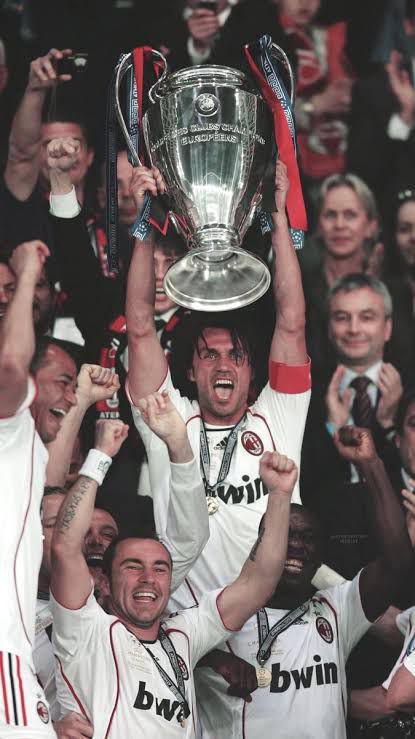
Inmortales como Zinedine Zidane, Leo Messi, Ronaldo “el fenómeno”, Luis Figo, Ronaldinho, Fernando Redondo, Buffon, Maldini, CR7, Carles Puyol —por mencionar algunos— se pasearon por la alfombra roja de la Champions League, con llamaradas de juego estelar. El Mundial de Clubes estrenó nuevo formato, que engloba a todos los continentes, pero la cantidad de partidos que se deben jugar al final de la temporada europea hace que los clubes del viejo continente participen solo por unos dólares más en sus gloriosas arcas. Para las otras confederaciones sí es atractivo, ya que pueden mostrarse con todas sus armas frente a los reyes de Europa, los cuales son los que mueven el mercado, nos guste o no. Algunos dicen que el mundial de la FIFA, por jugarse cada cuatro años, será más apasionante, pero la realidad se desnuda con participantes agotados por el trajín de los demás campeonatos y por las dádivas del ente rector, que se muestra muy generoso al momento de la organización. Existen equipos asiáticos, africanos, de la CONCACAF y de Oceanía, que no brindan la talla de un mundial en sí y deslucen las tribunas a vacías en la primera ronda. Circunstancia que no sucede con la Champions League en la fase previa, debido a que los grupos son más parejos y nadie da margen de error. El sistema de un partido en eliminación directa es tibio cuando de clubes se trata; en cambio, en la Champions son match de ida y vuelta: el primer tiempo en una ciudad y el segundo en otra. Hablar de las remontadas en el fútbol lo hace más vibrante y mantiene al espectador al tanto de la próxima batalla. Esto último solamente sucede en la Champions League, y eso la hace única.
La FIFA implantó el nuevo formato disputado en Estados Unidos, con el afán de descentralizar la competencia de clubes y dar acceso a todos en un solo torneo; es lo que se propaló desde dentro de las oficinas de marketing. Pero la objetividad nos muestra la otra cara de la moneda, motivando a las entidades con jugosos premios, para posteriormente ser un campeonato netamente comercial. Se prioriza el dinero por encima del buen espectáculo, con jugadores mermados en su rendimiento, de piernas agotadas que suplican un par de semanas de vacaciones. Además, acoger a clubes como el Auckland City de Nueva Zelanda (semiprofesional), por citar uno, merma la calidad de un torneo mundial. Y equipos así no profesionales se unirán en las próximas ediciones que, por supuesto, regresarán con la mochila colmada de goles. Los de Zúrich se encuentran en un tira y afloja con la UEFA; tratan de acaparar y aprovechar la calidad que visten muchos clubes del mundo, pero no lograrán mantener un mundial con brillantez futbolística, como lo es hoy la Champions League. Se supone que irán ajustando algunas falencias, mientras el calendario de verano se ajustará aún más con bajas de suprema relevancia.
En la última Champions League, según ESPN, la asistencia total se consagró en alrededor de 8,308,530 espectadores; por otro lado, en el Mundial de Clubes 2025 fue de 2,492,062 personas a lo largo de los 63 partidos. La copa de “la pelota de las estrellas” se convierte cada temporada en uno de los espacios publicitarios más apetitosos del calendario internacional. Sponsors principales como Heineken, Mastercard, PlayStation, FedEx y Qatar Airways propalan estrategias de marketing 360°, y son aliados estratégicos de la UEFA, los cuales ven jugosas ganancias en sus productos al apostar por una identidad plasmada en la excelencia. En conferencia de prensa post mundial, Gianni Infantino se ufana: “Dicen que perdíamos dinero o que nos quedábamos con algo. No. Todo se ha distribuido. Ya es la competición de clubes más valiosa del mundo”. Por su parte, en una oportunidad el presidente de la UEFA, Aleksander Ceferin, lanzó una frase que sigue vigente: “El dinero no manda y el modelo europeo de deporte debe respetarse. El fútbol no está en venta…” La verdad es que no se debe matar al fútbol, cargando de partidos a los verdaderos protagonistas: los futbolistas. Al margen de los dimes y diretes por parte de los ejecutivos, la Champions League seguirá vigente como el mejor torneo de clubes del mundo, sin importar el dinero que pueda repartir la FIFA; lo realmente trascendente es la calidad dentro y fuera del terreno de juego. ¡Centro al área y tú tienes el balón!
CENTER TO THE AREA
Write, Nestor Díaz
Will the Club World Cup be better than the Champions League
The FIFA Club World Cup attracted the world’s attention for a month that flew by, in a North American summer filled with NBA-style presentations of the footballers, like stars from another planet when they stepped onto the field. A systematic change in marketing and logistics that FIFA implemented to differentiate and make the tournament more attractive. However, those cinematic touches are not enough to satisfy the exquisite football palate of the fans. It is premature to predict, but it can already be stated that the Club World Cup is not better than the Champions League, not at all. The Champions League has an identity rooted for decades, a unique song, an attractive message; it is played every year, showcasing the «bestsellers» of football, with clubs that are more solid in their finances, making it unbeatable. The best in the most prestigious club tournament on the planet. The three Americas, Africans, Asians, long to show their flags in this competition, and it is therefore the highest rung a footballer can reach with their club; even reaching the round of 16 is enough for their aspirations.
Immortals like Zinedine Zidane, Leo Messi, Ronaldo «the phenomenon,» Luis Figo, Ronaldinho, Fernando Redondo, Buffon, Maldini, CR7, Carles Puyol —to name a few— strolled down the red carpet of the Champions League, with bursts of stellar play. The Club World Cup debuted a new format, which includes all continents, but the number of matches that must be played at the end of the European season means that clubs from the old continent participate only for a few more dollars in their glorious coffers. For the other confederations, it is indeed attractive, as they can showcase all their strengths in front of the kings of Europe, who are the ones driving the market, whether we like it or not. Some say that the FIFA World Cup, being held every four years, will be more exciting, but the reality unfolds with participants exhausted from the hustle and bustle of other championships and the handouts from the governing body, which is very generous when it comes to organization. There are Asian, African, CONCACAF, and Oceania teams that do not meet the standards of a World Cup and leave the stands empty in the first round. A circumstance that does not happen with the Champions League in the preliminary round, because the groups are more balanced and no one leaves room for error. The single-elimination match system is lukewarm when it comes to clubs; on the other hand, in the Champions League, there are home-and-away matches: the first leg in one city and the second in another. Talking about comebacks in football makes it more thrilling and keeps the viewer informed about the next battle. This only happens in the Champions League, and that’s what makes it unique.
FIFA implemented the new format contested in the United States, with the aim of decentralizing club competition and giving access to everyone in a single tournament; this is what was propagated from within the marketing offices. But objectivity shows us the other side of the coin, motivating the entities with juicy prizes, only to later turn it into a purely commercial championship. Money is prioritized over a good spectacle, with players’ performance diminished, their legs exhausted, begging for a couple of weeks of vacation. Moreover, hosting clubs like Auckland City from New Zealand (semi-professional), to name one, diminishes the quality of a world tournament. And such non-professional teams will join in the next editions, which will, of course, return with a backpack full of goals. The ones from Zurich are in a tug-of-war with UEFA; they try to seize and take advantage of the quality that many clubs around the world possess, but they will not be able to maintain a World Cup with the football brilliance that the Champions League has today. They are supposed to be addressing some shortcomings, while the summer schedule will be further adjusted with the loss of supremely important players.
In the last Champions League, according to ESPN, the total attendance was around 8,308,530 spectators; on the other hand, in the 2025 Club World Cup, it was 2,492,062 people over the course of the 63 matches. The «cup of the ball of the stars» becomes each season one of the most desirable advertising spaces on the international calendar. Main sponsors like Heineken, Mastercard, PlayStation, FedEx, and Qatar Airways deploy 360° marketing strategies and are strategic allies of UEFA, who see juicy profits in their products by betting on an identity embodied in excellence. At a post-World Cup press conference, Gianni Infantino boasts: «They say we were losing money or that we were keeping something.» No. Everything has been distributed. It is already the most valuable club competition in the world. For his part, on one occasion, the UEFA president, Aleksander Ceferin, made a statement that remains relevant: «Money does not rule, and the European sports model must be respected.» Football is not for sale…» The truth is that football should not be killed by overloading the true protagonists: the footballers. Regardless of the back-and-forth from the executives, the Champions League will remain the best club tournament in the world, no matter how much money FIFA can distribute; what truly matters is the quality on and off the field. Cross to the area and you have the ball!